
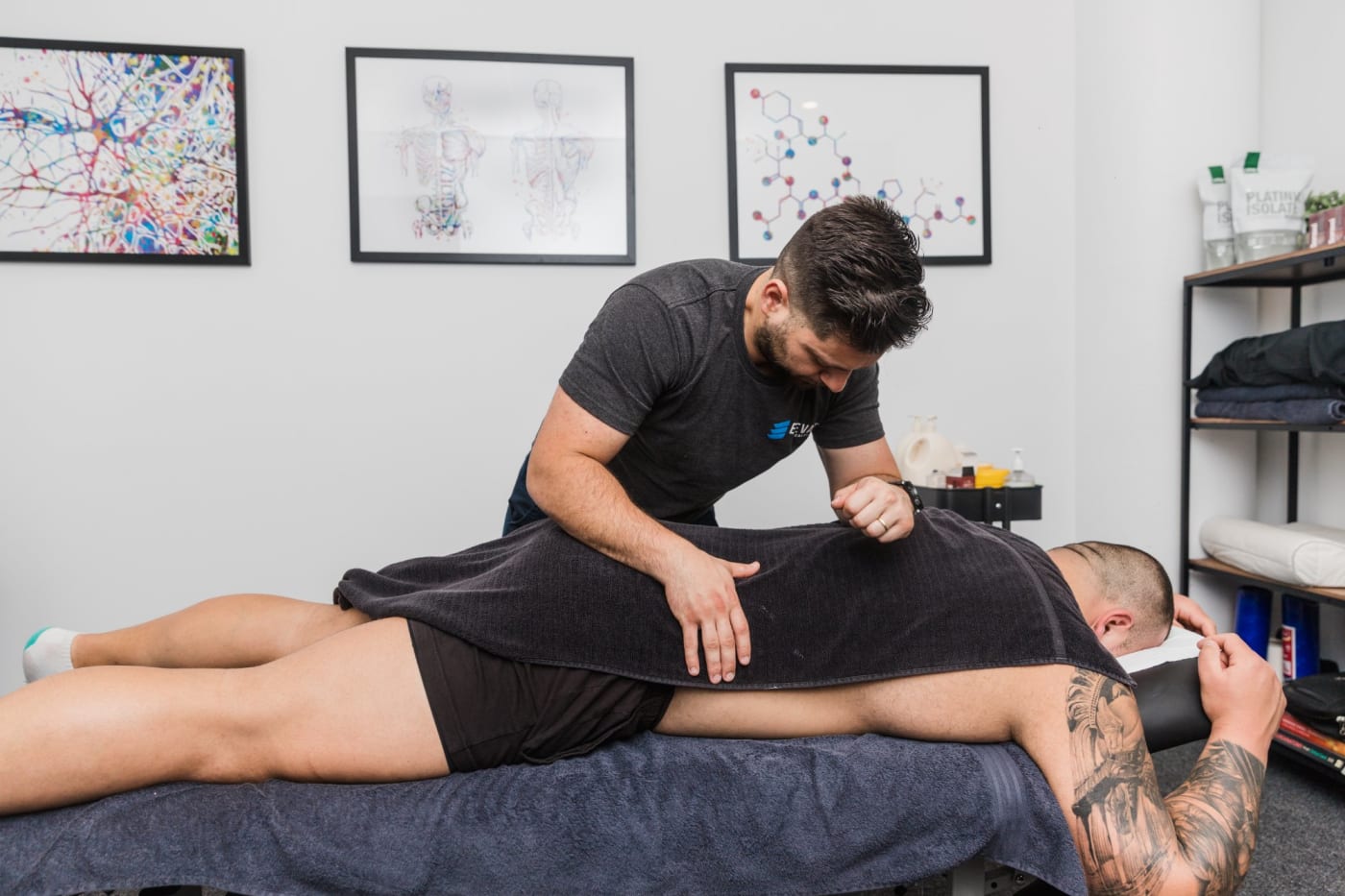
Many people think of massage as a luxury rather than a legitimate health intervention. But remedial massage has a solid evidence base for a wide range of health benefits that go well beyond relaxation.
1. Reduces Muscle Pain and Tension
Remedial massage targets specific muscles, releasing trigger points and reducing chronic tension. Studies consistently show significant reductions in self-reported pain and muscle tenderness following treatment.
2. Improves Range of Motion
Restricted movement often isn't due to the joint itself — it's due to tight surrounding muscles and fascia. Remedial massage to these soft tissues improves extensibility, allowing joints to move through their full range.
3. Accelerates Injury Recovery
Therapeutic massage increases local blood flow to injured tissue, delivering oxygen and nutrients while removing metabolic waste. It also helps remodel scar tissue, preventing adhesions that restrict movement.
4. Reduces Stress and Cortisol Levels
Massage activates the parasympathetic nervous system while suppressing the sympathetic (fight or flight) response. Research has found that a 45-minute massage significantly reduces salivary cortisol levels — meaning lower perceived stress, improved mood and better immune function.
5. Improves Sleep Quality
The cortisol-reducing effects translate directly into improved sleep. Research shows regular massage increases serotonin and dopamine — both precursors to the sleep hormone melatonin.
6. Reduces Headache Frequency
Tension headaches are strongly associated with trigger points in the trapezius, suboccipital and sternocleidomastoid muscles. Studies show remedial massage targeting these muscles reduces both frequency and intensity of tension headaches.
7. Lowers Blood Pressure
Multiple randomised controlled trials demonstrate that regular massage produces statistically significant reductions in both systolic and diastolic blood pressure.
8. Supports Mental Health
Research shows consistent reductions in self-reported anxiety and depressive symptoms following massage therapy. Human touch triggers the release of oxytocin — associated with social bonding, trust and wellbeing.
9. Boosts Immune Function
Research found that a single 45-minute massage significantly increased natural killer (NK) cell activity — the immune cells responsible for fighting viral infections — and decreased inflammatory cytokines.
10. Enhances Athletic Performance and Recovery
Sports massage reduces delayed onset muscle soreness (DOMS), accelerates lactic acid clearance, and reduces perceived exertion in subsequent training. For this reason, remedial massage has become a standard component of high-performance athlete recovery programs.
Need help with this? Our team at Elevate Health Clinic in Bella Vista and Earlwood can assess and treat this condition. Book online or call us today.
Our qualified remedial massage therapist Alexandra Machado provides targeted assessment and treatment at our Bella Vista clinic. Remedial massage integrates well with chiropractic and exercise physiology within our Dynamic Resilience System™ — particularly during the Restore phase. For guidance on which type of massage suits your needs, see our article on remedial vs relaxation massage.
How Often Should You Have Remedial Massage?
The right frequency depends entirely on your goals and presenting complaint. For acute musculoskeletal conditions — a recent neck strain, a flare of chronic back pain, post-event muscle soreness — weekly sessions in the first 2–4 weeks are often recommended to achieve meaningful tissue change and pain reduction. For maintenance and general wellbeing, monthly or bi-monthly sessions are typical once the acute presentation has resolved.
Athletes in heavy training blocks may benefit from fortnightly sessions to manage accumulated muscle tension and support recovery between training loads. People with chronic conditions — fibromyalgia, chronic tension headaches, long-standing postural pain — often find a regular fortnightly or monthly rhythm provides the most consistent symptom management. Your therapist will recommend a schedule based on your assessment and response to treatment, and will adjust it as your condition changes.
Integrating Remedial Massage with Other Allied Health Care
Remedial massage produces the most durable outcomes when it is part of a coordinated allied health approach rather than a standalone intervention. Soft tissue therapy addresses muscle tension, trigger points and fascial restrictions — but it does not directly improve the joint mobility deficits, movement pattern issues or strength imbalances that often underlie recurrent musculoskeletal complaints.
At Elevate Health Clinic, remedial massage is integrated into the Restore phase of our Dynamic Resilience System™ — working alongside chiropractic and exercise physiology to deliver a coordinated plan that addresses pain, movement and long-term resilience. Our remedial massage therapist Alexandra Machado works within this framework, communicating with the chiropractic and exercise physiology team to ensure consistent treatment goals across disciplines.
If you are combining remedial massage with chiropractic or exercise physiology at our clinic, sessions can be booked to complement each other — for example, a massage session before chiropractic to reduce muscle guarding and improve joint accessibility, or after exercise physiology to manage delayed onset muscle soreness during the Rebuild phase. Contact our Bella Vista clinic to discuss how massage might fit into your broader treatment plan.
Frequently Asked Questions
How is remedial massage different from relaxation massage?
Remedial massage is a clinical intervention targeting specific musculoskeletal complaints — trigger points, muscle tension, restricted movement and injury. It uses deeper pressure and targeted techniques based on assessment findings. Relaxation massage uses lighter, flowing strokes with the primary goal of stress reduction and general wellbeing, without a clinical assessment component.
Can I claim remedial massage on private health insurance?
Yes — most major Australian health funds include remedial massage under extras cover, provided the therapist holds a recognised qualification and provider number. HICAPS on-the-spot claiming is available at our Bella Vista clinic. Check your policy for annual limits and rebate amounts.
How often should I have remedial massage?
Frequency depends on your goals and presentation. For acute musculoskeletal complaints, weekly sessions may be appropriate initially. For maintenance and general muscle health, monthly or bi-monthly sessions are common. Your therapist can recommend a schedule based on your assessment findings and response to treatment.
References
- Furlan AD, et al. (2015). Massage for low-back pain. Cochrane Database of Systematic Reviews, (9).
- Bervoets DC, et al. (2015). Massage therapy has short-term benefits for people with common musculoskeletal disorders compared to no treatment. Journal of Physiotherapy, 61(3), 106–116.
- Perlman AI, et al. (2006). Massage therapy for osteoarthritis of the knee. Archives of Internal Medicine, 166(22), 2533–2538.
Ready to Get Started?
Book an appointment with our experienced team — same-day availability, NDIS, WorkCover & private health welcome.
Book an Appointment