
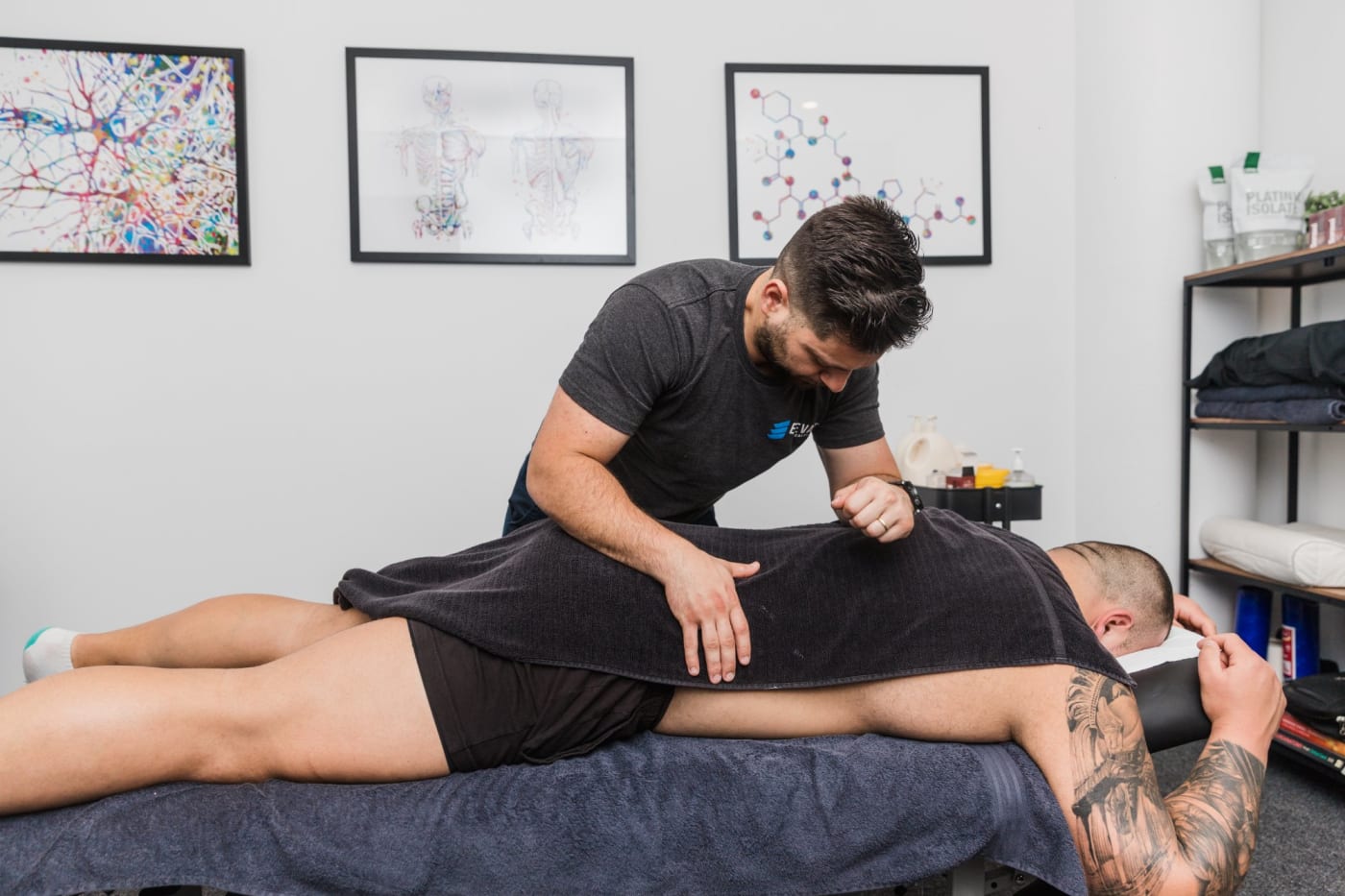
Exercise is medicine. The evidence behind this phrase for chronic disease management is substantial and growing. Accredited Exercise Physiologists (AEPs) are the allied health professionals trained to apply this medicine safely for people with complex health conditions.
What Is an Accredited Exercise Physiologist?
An AEP is a university-trained allied health professional who designs and delivers evidence-based exercise interventions for people with chronic medical conditions, injuries or disabilities. AEPs hold a four-year degree and are accredited by Exercise & Sports Science Australia (ESSA). They are distinct from personal trainers — AEPs are equipped to manage complex comorbidities, interpret pathology and work within a multidisciplinary healthcare team.
Chronic Conditions Where Exercise Physiology Is Effective
- Type 2 diabetes: Exercise improves insulin sensitivity and glycaemic control — sometimes as effectively as medication.
- Cardiovascular disease: Cardiac rehabilitation programs supervised by AEPs reduce mortality and re-hospitalisation after heart attack or cardiac surgery.
- COPD: Pulmonary rehabilitation including AEP-supervised exercise reduces exacerbations and improves quality of life.
- Cancer: Exercise during and after cancer treatment reduces fatigue, preserves muscle mass and improves mood.
- Mental health conditions: Exercise is a first-line intervention for mild to moderate depression and anxiety.
- Osteoporosis: Weight-bearing and resistance exercise are the most effective non-pharmacological interventions for maintaining bone density.
- Osteoarthritis: Exercise reduces pain and improves function in knee and hip OA more effectively than most medications.
- Neurological conditions: MS, Parkinson's and acquired brain injury all respond to structured exercise programs targeting function, balance and fatigue management.
Medicare Chronic Disease Management
Patients with a chronic condition can access up to 5 Medicare-rebated allied health sessions per calendar year (including exercise physiology) through an Enhanced Primary Care (EPC) plan organised by their GP.
Need help with this? Our team at Elevate Health Clinic in Bella Vista and Earlwood can assess and treat this condition. Book online or call us today.
How Exercise Prescription Differs for Chronic Disease
Exercise prescription for people with chronic conditions is not the same as general fitness programming. The parameters that a healthy person uses to guide their training — push hard, recover, repeat — do not translate safely to someone managing type 2 diabetes, heart failure, chronic obstructive pulmonary disease or a neurological condition. Several factors require specialist consideration:
Medication interactions. Beta-blockers blunt the heart rate response to exercise, meaning standard heart rate targets are unreliable measures of exertion. Insulin and oral hypoglycaemics affect blood glucose during and after exercise, requiring specific timing and intensity protocols to prevent hypoglycaemia. Diuretics affect fluid balance and electrolytes, which influences exercise tolerance and safety. An AEP is trained to account for these interactions in programme design.
Symptom monitoring. People with chronic conditions often have altered symptom perception — they may be accustomed to breathlessness, fatigue or discomfort and underreport warning signs. AEPs use validated scales and monitoring protocols to track exertion and symptoms objectively, ensuring exercise intensity remains therapeutic rather than harmful.
Comorbidity complexity. Many patients with chronic disease have multiple coexisting conditions — a patient with type 2 diabetes may also have peripheral neuropathy, hypertension and obesity. Each comorbidity has its own exercise considerations, and designing a programme that is safe and appropriate across all of them requires specific clinical training that personal trainers and gym instructors do not have.
Evidence-Based Exercise for Specific Chronic Conditions
The evidence for exercise as medicine in chronic disease is substantial and growing. Highlights from the research:
- Type 2 diabetes: Both aerobic and resistance exercise improve insulin sensitivity and glycaemic control, with HbA1c reductions comparable to pharmacological intervention in some studies. A combination of both exercise types produces the best outcomes.
- Cardiovascular disease: Cardiac rehabilitation programmes — which are primarily exercise-based — reduce all-cause mortality by approximately 20% following myocardial infarction and heart failure, and reduce re-hospitalisation rates significantly.
- Cancer: Exercise during and after cancer treatment reduces cancer-related fatigue, improves physical function and quality of life, and is increasingly associated with improved survival outcomes in several cancer types.
- Mental health: Structured exercise is recommended as a first-line or adjunct treatment for mild to moderate depression and anxiety by major clinical guidelines in Australia, the UK and the US.
- Osteoporosis: Weight-bearing and resistance exercise stimulates bone remodelling and reduces fracture risk, with progressive resistance training being particularly effective for maintaining bone mineral density.
Getting Started with Chronic Disease Exercise Physiology in the Hills District
Our accredited exercise physiologists at Elevate Health Clinic in Bella Vista provide chronic disease management programmes under Medicare CDM, NDIS, WorkCover and private funding. Sessions are available in-clinic and via mobile service across the Hills District. A GP referral is required for Medicare CDM (up to 5 subsidised allied health visits per year); no referral is needed for private sessions.
If you are managing a chronic condition and are unsure whether exercise physiology is appropriate for you, call our clinic on (02) 8883 0178. Our team can discuss your condition, your goals and the funding options available before you commit to any sessions. See also our article on exercise and mental health for more on the evidence base for exercise as a clinical intervention.
Our accredited exercise physiologists in Bella Vista provide Medicare CDM, NDIS and private programmes for a wide range of chronic conditions. If you are managing a WorkCover claim alongside a chronic condition, see our guide on WorkCover exercise physiology in NSW. For mental health conditions, our article on exercise and mental health covers the evidence for exercise as a clinical intervention for anxiety and depression.
Frequently Asked Questions
Can exercise physiology help with diabetes?
Yes. Accredited exercise physiologists design structured programmes that improve insulin sensitivity, support glycaemic control and reduce cardiovascular risk in people with type 2 diabetes. Both aerobic and resistance exercise have strong evidence for improving metabolic markers. Exercise physiology is recognised as a core component of chronic disease management under Medicare's Chronic Disease Management (CDM) scheme.
Is exercise physiology covered by Medicare?
Yes. Australians with a chronic condition who have a GP Management Plan (GPMP) and Team Care Arrangement (TCA) can access up to 5 Medicare-subsidised allied health visits per year — including exercise physiology. Your GP can provide a referral and complete the necessary paperwork.
What is the difference between exercise physiology and personal training?
Accredited Exercise Physiologists (AEPs) are university-trained allied health professionals registered with ESSA. They specialise in clinical exercise prescription for people with chronic conditions, disabilities, injuries and complex health needs. Personal trainers work with generally healthy populations and are not qualified to manage clinical presentations or accept Medicare, NDIS or WorkCover referrals.
References
- Colberg SR, et al. (2016). Physical activity/exercise and diabetes: a position statement of the American Diabetes Association. Diabetes Care, 39(11), 2065–2079.
- Taylor RS, et al. (2014). Exercise-based rehabilitation for heart failure. Cochrane Database of Systematic Reviews, (4).
- Lowe A, et al. (2021). Exercise physiologist-led lifestyle intervention for cancer survivors: a systematic review. Supportive Care in Cancer, 29, 2013–2028.
- ESSA. (2020). Scope of Practice for Accredited Exercise Physiologists. Exercise & Sports Science Australia.
Ready to Get Started?
Book an appointment with our experienced team — same-day availability, NDIS, WorkCover & private health welcome.
Book an Appointment