
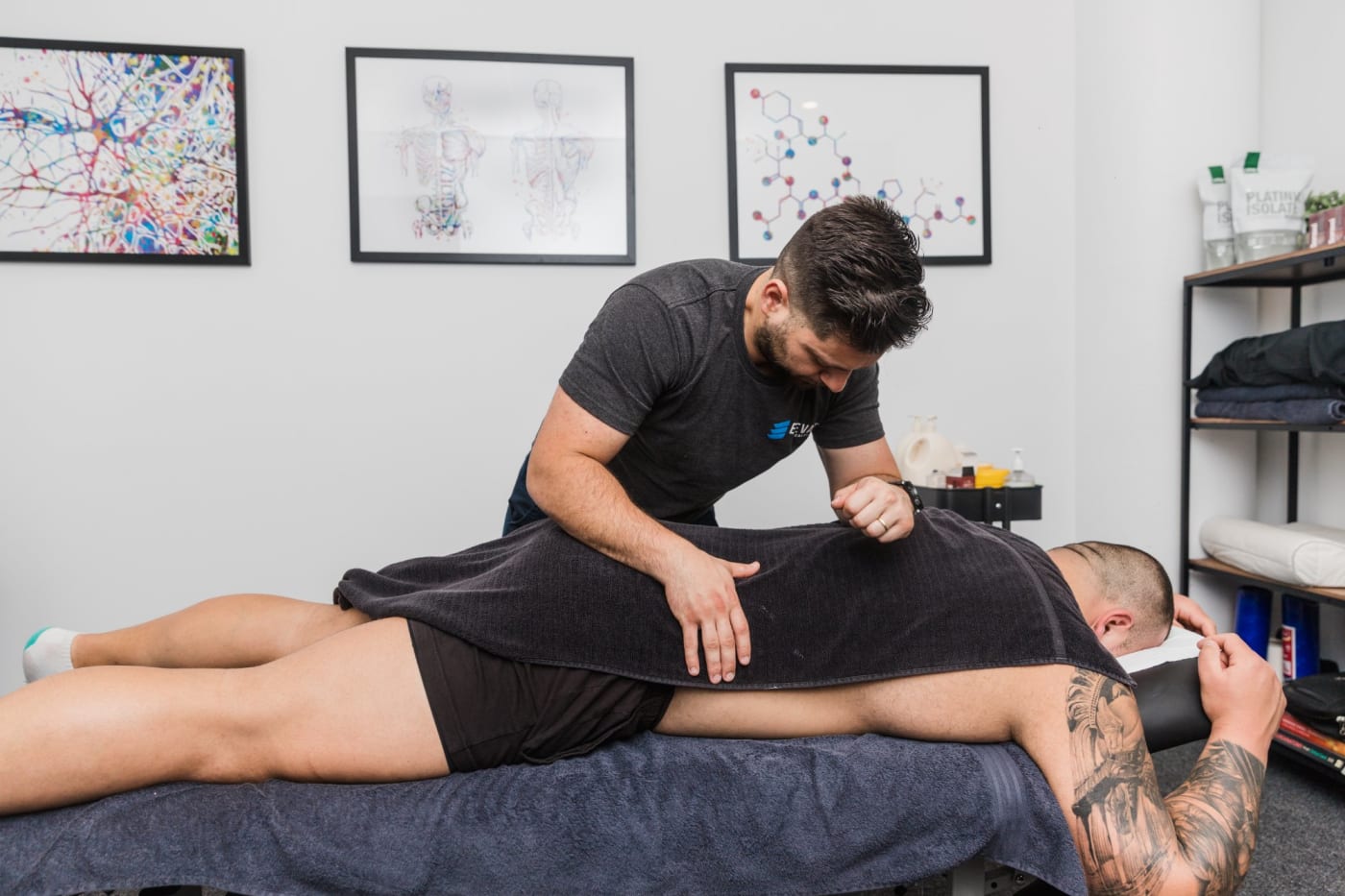
The advice on stretching has changed dramatically over the past 20 years. What was once considered essential pre-exercise preparation is now understood to be more nuanced — and doing it wrong can actually impair performance.
Static Stretching Before Exercise: The Problem
Static stretching (holding a stretch for 30–60 seconds) before exercise acutely reduces strength, power and performance when performed immediately before activity. Meta-analyses show it reduces maximal strength by 5–8% and power output by similar amounts. The mechanism: sustained stretch reduces the stiffness of the muscle-tendon unit, which is needed for efficient force transmission. Static pre-exercise stretching has also failed to demonstrate injury prevention in most research.
What to Do Instead: Dynamic Warm-Up
A dynamic warm-up replaces static stretching before exercise and is consistently shown to improve performance while preparing the body. It involves movement-based exercises that progressively increase range of motion and tissue temperature without holding static positions — leg swings, hip circles, arm circles, bodyweight squats, walking lunges, high knees and heel flicks.
Static Stretching After Exercise: The Right Time
After exercise, muscles are warm, pliable and well-perfused. Post-exercise static stretching maintains and gradually improves long-term flexibility, reduces post-exercise muscle tightness, and promotes relaxation and parasympathetic recovery. Hold each stretch for 30–60 seconds and focus on areas that consistently feel tight.
Dedicated Flexibility Training
If improving flexibility is a specific goal, dedicated stretching sessions separate from your main training sessions are more effective than tacking stretching onto the end of a workout. Sessions of 15–30 minutes, 3–5× per week, produce measurable flexibility improvements within 6–8 weeks.
Need help with this? Our team at Elevate Health Clinic in Bella Vista and Earlwood can assess and treat this condition. Book online or call us today.
For a complete guide to structuring your warm-up and cool-down, see our article on why warming up and cooling down matters. If flexibility limitations are contributing to a musculoskeletal complaint, our chiropractic team can assess whether joint restriction, neural tension or muscle length is the primary factor. Our exercise physiologists incorporate targeted flexibility work into rehabilitation and performance programmes across the Hills District.
How Long to Hold a Stretch — and Why It Matters
The duration of a static stretch determines its primary effect. Short holds (15–20 seconds) produce neurological relaxation effects — temporary reductions in muscle tone — without meaningful changes to tissue length. Longer holds (60–120 seconds) begin to produce viscoelastic changes in the tissue, producing more lasting length increases. For therapeutic flexibility work aimed at improving range of motion over time, 60-second holds performed consistently over weeks is the most evidence-supported approach.
It is worth noting that the flexibility gains produced by stretching are relatively modest and slow. A consistent daily stretching programme targeting a specific limitation (hip flexor tightness, hamstring restriction) typically produces meaningful change over 6–8 weeks — not 6–8 days. Patience and consistency are more important than the specific technique used.
PNF Stretching — The Most Effective Technique for Rapid Flexibility Gains
Proprioceptive neuromuscular facilitation (PNF) stretching — specifically the contract-relax technique — is the most evidence-supported approach for rapid, meaningful flexibility improvements. The technique involves: stretching the target muscle to its end range, then isometrically contracting it against resistance (producing a reflexive relaxation called autogenic inhibition), then deepening the stretch as the muscle releases. A single PNF session typically produces greater acute range of motion gains than multiple sets of passive static stretching.
PNF is most practical with a partner or a fixed object to push against, though solo variations exist for most major muscle groups. It is more physiologically demanding than passive stretching — and produces proportionally greater results. For patients with significant flexibility limitations affecting movement or performance, PNF is worth incorporating into a structured programme.
If flexibility restrictions are contributing to pain or limiting your training, our exercise physiology team can assess which restrictions are clinically meaningful and design a targeted mobility programme. For joint restrictions that passive stretching cannot address, our chiropractic team provides manual therapy to restore joint range. Book at our Bella Vista clinic.
Frequently Asked Questions
Does stretching before exercise prevent injury?
Static stretching before exercise does not reliably reduce injury risk and may transiently reduce muscle force production if held for more than 60 seconds. Dynamic warm-up — progressive movement through relevant ranges — is more effective than static stretching for injury prevention and performance preparation.
Is it worth stretching after exercise?
Post-exercise stretching improves acute range of motion and may contribute to reducing perceived muscle soreness. While its structural effects on flexibility are modest, it provides a useful cool-down and parasympathetic recovery stimulus. Holding each stretch for 30–60 seconds at mild tension — not pain — is appropriate.
How long should I hold a stretch?
For post-exercise or flexibility-focused stretching, 30–60 seconds per stretch is generally supported. For pre-exercise, dynamic movements through the relevant range are preferred over static holds. For therapeutic stretching targeting persistent tightness, daily consistency over weeks produces more meaningful change than occasional long sessions.
References
- Behm DG, et al. (2016). A systematic review of the acute effects of static and dynamic stretching on performance. Applied Physiology, Nutrition, and Metabolism, 41(1), 1–11.
- Chaouachi A, et al. (2012). The effects of standard warm-ups on hamstring flexibility and lower limb neuromuscular excitability in team sports players. Journal of Strength and Conditioning Research, 26(7), 1820–1829.
- Herbert RD & Gabriel M. (2002). Effects of stretching before and after exercising on muscle soreness and risk of injury. BMJ, 325(7362), 468.
Ready to Get Started?
Book an appointment with our experienced team — same-day availability, NDIS, WorkCover & private health welcome.
Book an Appointment